
Manufacturer Good Price Hydrogen Peroxide 50% CAS:7722-84-1

Description
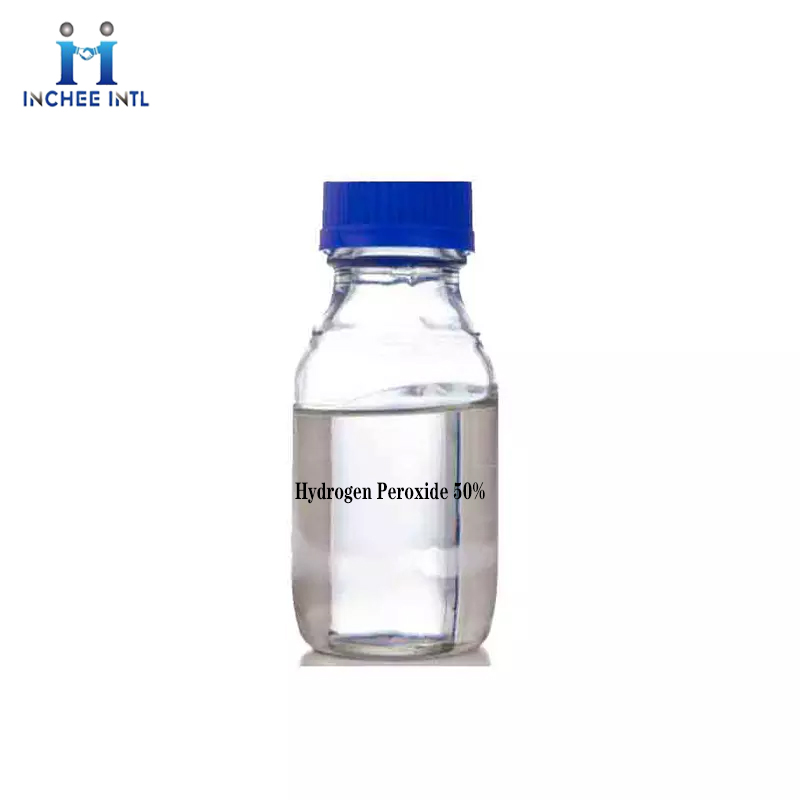
Performance: colorless transparent liquid. Relative density 1.4067. Dissolt water, alcohol, ether, insoluble in petroleum ether. Extremely unstable. In case of heat, light, rough surfaces, heavy metals and other impurities, it will cause decomposition, and at the same time, oxygen and heat will be released. It has strong oxidation capabilities and is a strong oxidant.
Applications of Hydrogen Peroxide 50%
It is an important oxidant, bleach, disinfectant and chloride. Mainly used in cotton fabrics and other fabric bleaching; bleaching and ink removal of pulp; manufacturing of organic and inorganic peroxides; organic synthesis and polymer synthesis; treatment of toxic wastewater; The sterilization and sterile irrigation production line of preservatives and paper plastic sterile packaging materials in front of the packaging; the electronic industry is mainly used as the corrosion of the metal parts on the integrated circuit board, the silicon crystal and the integrated circuit were cleaned.
1. In different cases, aerobic effects or restore effects. Oxidants, bleach, disinfectant, chloride, and rocket fuel, organic or inorganic peroxide, foam plastic and other porous substances.
2. Medical hydrogen peroxide (about 3%or lower) is a good disinfectant.
3. Industrial use is about 10%for bleaching, as a strong oxidant, chloride, fuel, etc.
4. Experimental O2 raw materials.
5.The chemical industry is used to make raw materials for inorganic and organic peroxide such as sodium borate, sodium carbonate, and peroxide. It is used to produce metal salt or other compounds to go out to go out of the inorganic impurities and improve the quality of plating. It is mainly used as a bactericide in medicine. Used as wool, raw wire, fur, fat, paper and other bleach, anticorrosive and preservatives. For industrial sewage and sludge treatment.

Specification of Hydrogen Peroxide 50%
|
Compound |
Specification |
|
Assay( calculated as H2O2) |
≥50% |
|
Appearance |
Colorless and transparent liquid |
|
Non-Volatile |
≤0.08% |
|
H3SO4(%) |
≤0.04% |
|
STEADY (%) |
≥97% |
|
C(%) |
≤0.035% |
|
NO3(%) |
≤0.025% |
Packing of Hydrogen Peroxide 50%
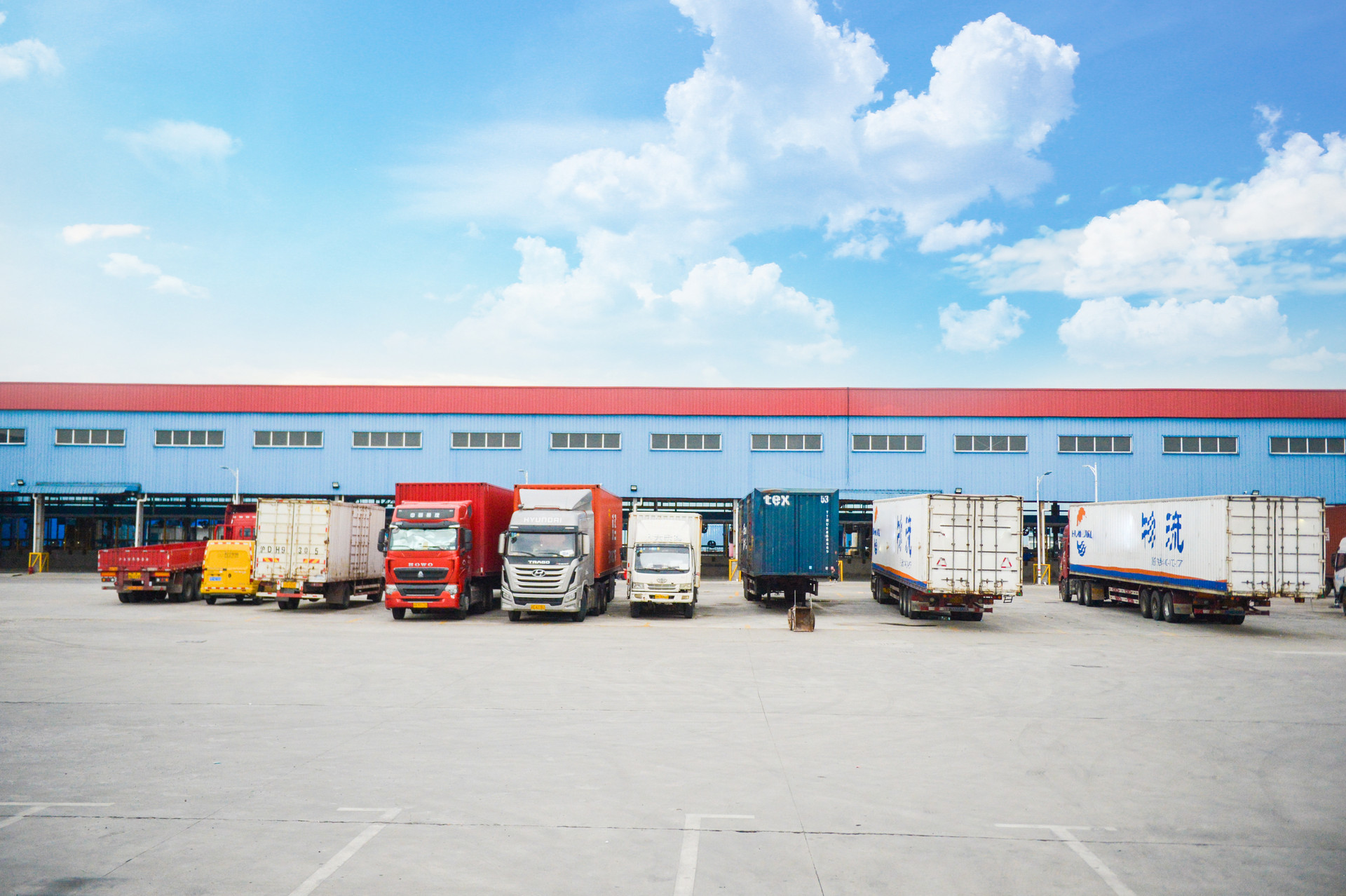
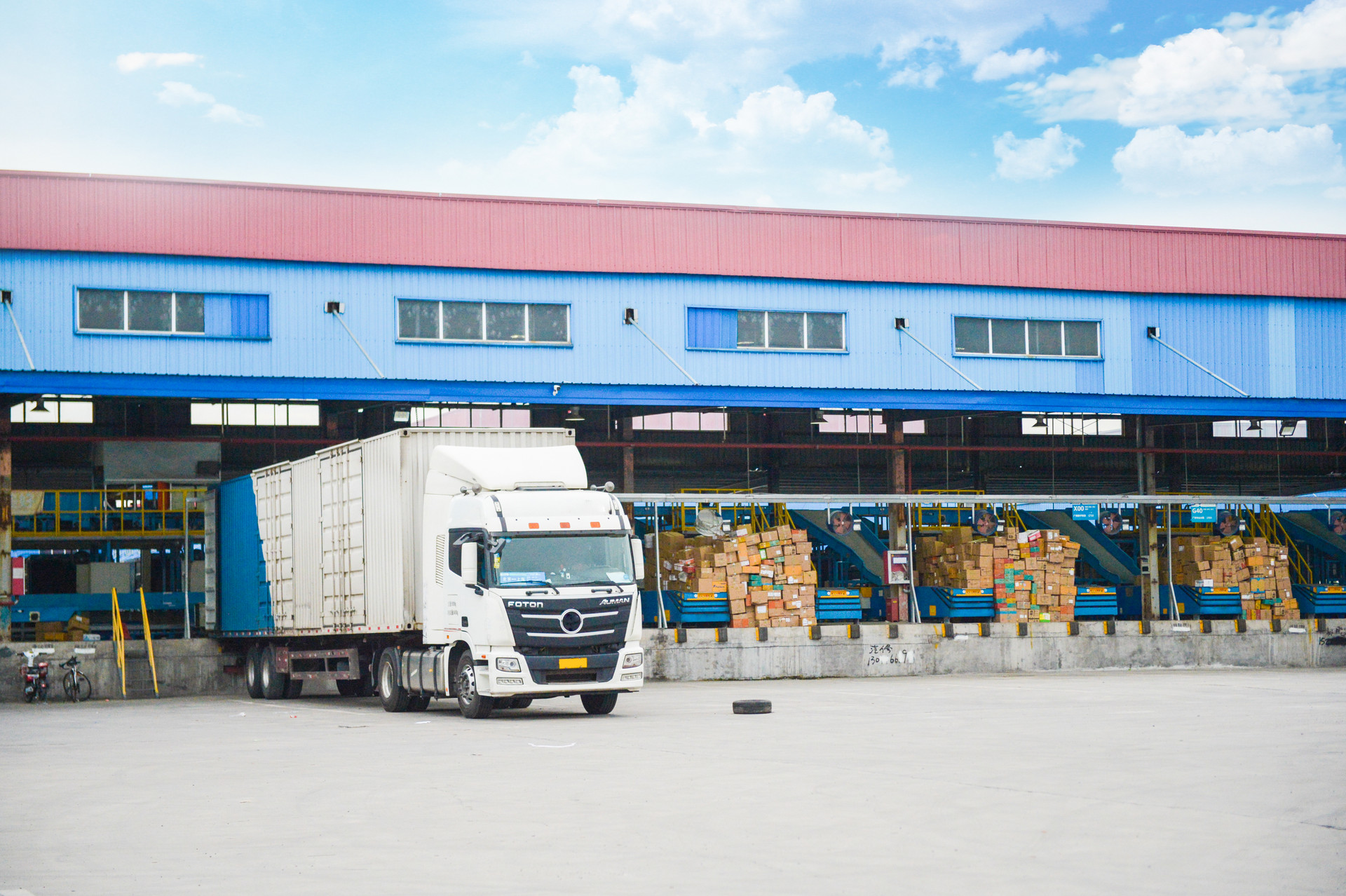
35kg/drum; 1000kg/IBC
Precautions for transportation and storage: Transportation and storage should prevent sunlight from being heated or heated. It should be stored in a warehouse where it is cool, clean, and ventilated, and stay away from the flames and heat sources. The temperature of the warehouse should not exceed 40 degrees Celsius. Keep the container closed, the container bucket is upward, and it cannot be inverted and falling. It should be stored separately with flammable or combustible or combustible materials, reducing agents, alkali, metal powder, etc. to avoid contact with paper and wood chips. During the handling, it should be lightly unloaded to prevent the packaging and container from being damaged. It is found that the packaging damage and leakage should be cleaned and replaced in time, and the leakage fluid is washed with water. The storage office should have sufficient water and fire water dragon with heart spray device, and should use fire -fire explosion -proof electronics equipment and devices.
FAQ
Q1: What are basic product specifications of 50% Hydrogen Peroxide?
A:
- Chemical Name: Hydrogen Peroxide, Formula: H2O2, CAS No.:7722-84-1
- Appearance: Clear, colourless transparent liquid, slightly pungent odour, miscible with water in any ratio, weakly acidic.
- Standard index: H2O2 ≥50.0%, free acid ≤0.05%, stability ≥95%, industrial grade standard, stabilizer added to restrain decomposition.
Q2: Other common names of the product?
A: Hydrogen Dioxide, Aqua Dioxidane; short name HP in chemical industry.
Q3: Main application fields?
A:
- Pulp & Paper Industry: Bleaching agent for wood pulp, mechanical pulp, chlorine-free environmental bleaching.
- Textile Industry: Bleaching for cotton, polyester fabric, desizing & scouring auxiliary.
- Chemical Synthesis: Oxidizing agent & raw material for peroxy chemicals, fine organic synthesis.
- Water Treatment: Disinfection, COD degradation, decolorization for industrial wastewater and drinking water pre-treatment.
- Electronics: Ultra-pure grade for PCB cleaning and semiconductor surface treatment.
Q4: Difference between 50% HP vs 27.5% /35% HP?
A:
- Concentration & transportation cost: 50% higher concentration reduces transportation cost per effective peroxide unit vs low concentration grades.
- Application: 27.5% mostly for sewage & daily disinfection; 35% common for textile; 50% focused on large-scale pulp bleaching and fine chemical oxidation.
- Storage risk: Higher concentration decomposes faster under high temp/heavy metal pollution, stricter storage control required.
Q5: Warehouse storage requirements
A:
- Store in cool, shaded, ventilated warehouse, ambient temp below 30℃, avoid direct sunlight and high temperature.
- Keep far away from combustibles, organics, heavy metal powder, strong reducing agents and strong acids to prevent violent decomposition & explosion.
- Original sealed shelf life: 6 months; avoid long-term open storage.
Q6: Transport classification & regulation
A:
UN2014, Class 5.1 Oxidizer hazardous goods, HS code:28470000. Export needs MSDS and dangerous goods document; only DG certified trucks/container for shipment, forbidden mixing with organics, fuels, reducing materials.
Q7: Reference dosage in typical application
A:
- Pulp bleaching: 8–30kg per ton dry pulp (adjust by pulp type & target whiteness);
- Wastewater oxidation: 0.3–3kg per ton wastewater based on COD value;
- Textile bleaching: 2–8g/L in bleaching bath.
Q8: Can the product with obvious decomposition be used?
A:
Slight decomposition with tiny bubbles can still be used after effective content retest and dosage adjustment; severe bubbling, obvious volume expansion means massive decomposition, unstable, discard directly and prohibit usage.