




In chemical production, pharmaceutical manufacturing and general industrial processing, there exists a low-profile yet highly versatile chemical substance — dichloromethane. It is a clear, transparent liquid with no strong pungent odor and is often regarded as a safe solvent, yet it harbors hidden safety risks. Known as a “universal industrial solvent”, dichloromethane is widely applied in numerous industries, while most people know little about its properties, applications and potential hazards. This article provides a comprehensive insight into this common industrial chemical.

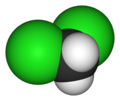
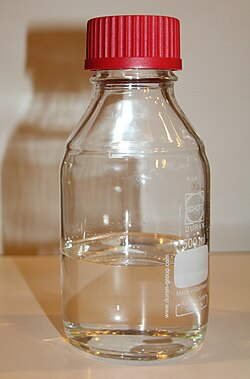
Dichloromethane, with the molecular formula CH₂Cl₂ and also known as methylene chloride, is a classic halogenated organic compound. At room temperature, it is a colorless and transparent liquid with a faint ether-like pungent smell. It has a low boiling point of only 39.8℃, making it highly volatile. Slightly soluble in water, it is miscible with most organic solvents such as ethanol and ether. Unlike most organic solvents, dichloromethane is non-flammable with a narrow explosion limit range, boasting much higher safety than flammable solvents like ether and petroleum ether. This is the core reason why it has replaced flammable solvents in widespread applications. Meanwhile, it features stable chemical properties and hardly decomposes at room temperature. It only reacts under light exposure, high temperature or contact with alkali metals, leading to relatively lenient storage and usage requirements.
Benefiting from its excellent dissolving capacity and stable physical and chemical properties, dichloromethane has a wide range of application scenarios. In the pharmaceutical industry, it serves as a core extraction solvent for the synthesis of antibiotics, vitamins and other drugs, which can accurately separate and purify active ingredients to ensure pharmaceutical purity. In the chemical and materials industry, it is commonly used for the dissolution and processing of resins, plastics and rubbers, and acts as a foaming agent for polyurethane foam, supporting the production of lightweight thermal insulation materials. In addition, it functions as a cleaning agent in the electronics industry to efficiently remove oil stains and impurities on precision electronic components. In daily life, it can be found in paint removers, aerosol sprays and leather cleaners, making it an indispensable basic raw material for industrial production.
Despite its extensive applications, dichloromethane is by no means harmless, and its potential health hazards cannot be ignored. It has mild anesthetic and irritant effects, and the human body is mainly exposed to it through respiratory inhalation and skin contact. Long-term exposure to low concentrations may cause headaches, dizziness, fatigue, nausea and other discomforts, irritate the ocular, nasal and respiratory mucous membranes, and lead to dry and sore throats, coughs and dry peeling skin. Short-term exposure to high concentrations of dichloromethane can rapidly inhibit the central nervous system, causing drowsiness and confusion, and may even induce respiratory paralysis in severe cases. More alarmingly, dichloromethane metabolizes into toxic substances in the human body. Long-term excessive exposure can damage the liver and kidneys, and it has been proven to have potential carcinogenic risks, causing persistent damage to human organs.
In addition to harming human health, dichloromethane also poses environmental risks. After volatilizing into the atmosphere, it is difficult to degrade naturally, and its excessive accumulation will aggravate air pollution. Random discharge into water and soil will damage the ecological environment and endanger the survival of animals and plants. Moreover, it corrodes ordinary plastic and rubber products, so special galvanized containers are required for storage and transportation to prevent leakage caused by material damage.
Standardized protection is the key to avoiding risks in daily and industrial scenarios. Industrial operations need to be carried out in closed environments with local ventilation to reduce air concentration of the substance. Gas masks are required in over-concentrated environments, and self-contained breathing apparatus is necessary for emergency rescue. Operators shall wear impermeable work clothes, protective gloves and goggles, and eating, drinking and smoking are prohibited at the operation site. In case of skin contact, rinse immediately with clean water; seek medical treatment promptly if the liquid gets into the eyes or excessive inhalation occurs. The general public does not need to panic. Regular qualified products contain compliant levels of dichloromethane and are safe for normal use, with only industrial stock solution requiring avoidance.
In conclusion, dichloromethane is a double-edged sword in the industry. With its stable and efficient properties, it has become an essential industrial raw material, while it comes with inherent safety hazards. Understanding its characteristics and risks and abiding by usage specifications can maximize its industrial value while minimizing potential harms. Facing the advantages and disadvantages of chemical substances rationally and utilizing them scientifically is the core essence of the safe development of modern chemical industry.
Post time: Jul-31-2026