




From suits hanging in street-corner dry cleaning shops to precision parts being cleaned in auto repair workshops, perchloroethylene, as a high-performance chlorinated hydrocarbon solvent, has served industrial sectors reliably for nearly a century. However, with increasingly stringent global environmental regulations and accelerated industrial upgrading, this chemical known as the “King of Dry Cleaning” now stands at a crossroads of transformation. While its traditional applications face challenges, high-value-added grades such as electronic-grade perchloroethylene are opening up brand-new growth space.
1. Product Overview: What Is Perchloroethylene?
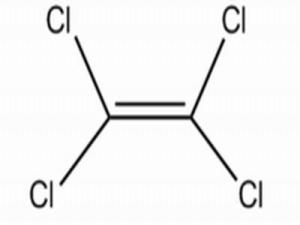
Perchloroethylene, also referred to as tetrachloroethylene, is an organic compound with the molecular formula C₂Cl₄ and CAS No. 127-18-4. Under normal temperature and pressure, it is a colorless, transparent, free-flowing liquid with a characteristic ether-like odor and is non-flammable.
Physical and Chemical Properties
|
Item |
Parameter |
| Molecular Formula | C₂Cl₄ |
| Molecular Weight | 165.83 |
| Melting Point | -22.3℃ |
| Boiling Point | 121.2℃ |
| Density | 1.63 g/cm³ |
| Flash Point | Not applicable (Non-flammable) |
| Saturated Vapor Pressure | 2.11 kPa (20℃) |
| Solubility | Insoluble in water; miscible with ethanol, ether, chloroform and most other organic solvents |
Perchloroethylene boasts excellent dissolving capacity and high chemical stability. It can dissolve a wide range of substances including rubber, resin, fats, oils and tar; most synthetic resins are soluble or swellable in perchloroethylene. Pure perchloroethylene remains stable even when heated to 500℃ in the absence of air, moisture and catalysts. Nevertheless, it may be oxidized under ultraviolet radiation to form trichloroacetyl chloride and a small amount of phosgene, so a small quantity of stabilizer is usually added to industrial-grade products.
Perchloroethylene has extensive applications. It is mainly used as an organic solvent, dry cleaning agent and metal degreasing solvent. It also serves as an anthelmintic drug, fat extractant, fire extinguishing agent and smoke agent, and is applied in the synthesis of trichloroethylene and fluorine-containing organic compounds.
2. Latest Updates: Policy Adjustments and New Market Dynamics
2.1 Global Market: Structural Adjustment Amid Steady Growth
According to the latest data from market research institutions, the global perchloroethylene market size reached approximately USD 1.93 billion in 2025 and is projected to reach USD 2.53 billion by 2034, with a compound annual growth rate (CAGR) of 3.06% from 2026 to 2034.
The perchloroethylene market is undergoing remarkable changes. As a widely used chlorinated solvent, it is highly valued for its strong oil-dissolving capability and has become an indispensable raw material in the textile and automotive industries. However, due to environmental and health concerns caused by its volatile organic compound (VOC) emissions, the market is facing increasingly stringent regulatory scrutiny.
2.2 Environmental Pressure: From Health Risks to Tighter Regulations
The health hazards of perchloroethylene have drawn growing attention. Classified by the International Agency for Research on Cancer (IARC) as a Group 2A carcinogen (probably carcinogenic to humans), perchloroethylene was included in China’s List of Toxic and Hazardous Water Pollutants (First Batch) in July 2019.
Increasingly stringent laws and regulations worldwide are forcing manufacturers to develop safer alternatives and driving the industry toward sustainable development. For instance, hydrocarbon solvents and liquid carbon dioxide replacement technologies are being gradually promoted in the dry cleaning industry, resulting in shrinking demand for perchloroethylene in traditional downstream fields. The rising popularity of eco-friendly cleaning solutions has directly affected market demand, as growing emphasis on sustainability among consumers and enterprises accelerates the research and development of alternative solvents.
3. Industry Trends: High-End Transformation and Green Development Path
3.1 Divergent Demand Structure: Traditional Shrinkage vs High-End Expansion
The perchloroethylene industry shows obvious structural differentiation. On the one hand, impacted by substitutes in the dry cleaning sector, demand for conventional industrial-grade perchloroethylene is under pressure, with an estimated annual contraction of around 2.1% in the coming years. On the other hand, driven by booming demand in semiconductor manufacturing, the electronic-grade perchloroethylene market is expanding at a CAGR of approximately 12.5%.
Taking China as an example, the market share of high-purity electronic-grade perchloroethylene has risen from less than 5% to 22%. Some domestic manufacturers are capable of producing 5N-grade (99.999%) electronic-grade products, successfully entering the semiconductor supply chain. The market share of domestic products in 12-inch wafer fabs reached 39% in 2023.
This transformation path is highly similar to that of the butyl acetate industry in recent years: both face intense environmental pressure, both pursue high-end and specialized upgrading, and cope with slowing demand in traditional markets by increasing product added value.
3.2 Circular Economy: Recycling Becomes a New Growth Driver
Driven by policies and environmental requirements, the circular economy model for perchloroethylene has become increasingly mature. In China, the standardized recycling volume reached 31,000 tons in 2023 with a recycling rate of 58.3%. The penetration rate of recycled products in dry cleaning, electronics and pharmaceutical sectors stood at 76.4% and 35% respectively.
By 2026, the recycling capacity of perchloroethylene is expected to reach 58,000 tons, accounting for 38% of the total supply. Recycled perchloroethylene can maintain a purity above 99.8% and can replace virgin materials in many application scenarios, effectively cutting production costs and reducing environmental burden.
3.3 Green Transformation: Technological Innovation Leads the Future
Faced with environmental constraints, perchloroethylene manufacturers are increasing R&D investment to develop eco-friendly solutions that meet both performance standards and regulatory requirements. Intelligent manufacturing and green synthesis technologies such as electrocatalytic chlorination will become key breakthrough directions.
Guided by the dual-carbon goals, the perchloroethylene industry is expected to achieve the phased target of zero growth in virgin production capacity and full coverage of new demand by recycled products before 2030. The market will follow a dual development trend: maintaining stable traditional consumption while exploring innovative and sustainable alternatives that adapt to evolving consumer preferences and regulatory rules.
As of early 2026, China’s perchloroethylene industry has formed a diversified competitive landscape dominated by large integrated chlor-alkali enterprises and supplemented by professional fine chemical manufacturers. The industry CR5 (concentration ratio of the top five enterprises) reaches 68.5%. Profit margins are increasingly polarized: enterprises with high-purity purification capability, closed-loop recycling systems and digital management can sustain a gross profit margin above 30%, while low-end capacity may fall into losses.
4. Summary and Outlook
|
Dimension |
Key Conclusions |
| Chemical Properties | Colorless non-flammable liquid, excellent solvency and high chemical stability |
| Core Applications | Dry cleaning solvent, metal degreasing, chemical intermediate, electronic-grade cleaning |
| Global Market | Valued at USD 1.93 billion in 2025, forecast to USD 2.53 billion by 2034, CAGR 3.06% |
| Major Challenges | Group 2A carcinogen, VOC emission regulations, competition from substitutes |
| Growth Opportunities | High-purity electronic-grade products (12.5% annual growth), circular recycling economy |
| China Market Pattern | CR5 at 68.5%, accelerated high-end and green transformation |
Conclusion
From dry cleaning stores to semiconductor factories, perchloroethylene occupies an irreplaceable position in modern industry by virtue of its outstanding dissolving performance. Amid the global environmental drive, the perchloroethylene industry stands at a pivotal turning point. Enterprises that take the lead in breaking technical bottlenecks of high-purity purification, building closed-loop recycling systems, and embracing green innovation will seize favorable opportunities in the next industrial reshuffle. The future of perchloroethylene depends on how the industry strikes an optimal balance between performance demands and environmental responsibilities — a common challenge facing the entire fine chemical sector.
Post time: May-08-2026