




Diethylene Glycol (DEG) is a common organic chemical widely used in industrial applications due to its excellent solvency and low volatility. However, as a hazardous chemical, DEG also presents certain health and environmental risks. This article answers some of the most frequently asked questions about diethylene glycol to help businesses and individuals understand and use it safely.
1. What Is Diethylene Glycol?
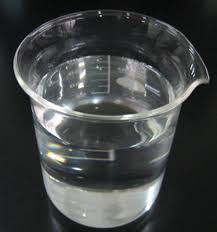
Diethylene glycol (DEG) is a colorless, odorless, viscous liquid with the chemical formula C₄H₁₀O₃. It has hygroscopic properties and excellent solvent capabilities. Similar to ethylene glycol, DEG belongs to the glycol family, but it is generally considered more toxic and can pose serious health risks through ingestion, inhalation, or skin absorption.

2. What Are the Common Uses of Diethylene Glycol?
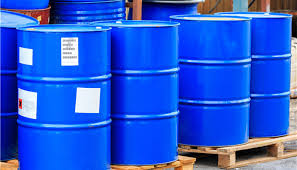
Thanks to its stability, solvent properties, and moisture-retaining characteristics, DEG is widely used in various industrial sectors:
Solvent Applications
Diethylene glycol is commonly used as a solvent in the production of paints, coatings, resins, inks, and adhesives. It helps regulate viscosity and improve product performance.
Antifreeze and Coolants
Because of its high boiling point and low freezing point, DEG is used in certain antifreeze formulations and industrial cooling systems.
Chemical Intermediate
DEG serves as an important raw material in the manufacture of plasticizers, polyester resins, and other specialty chemicals.
Humectant and Dehydrating Agent
In some industrial gas processing, textile manufacturing, and electronic material production, DEG is used as a moisture-absorbing and humidity-controlling agent.
Although it has many industrial applications, diethylene glycol should never be used as a food or pharmaceutical ingredient due to its toxicity.
3. What Are the Hazards of Diethylene Glycol?
Diethylene glycol can pose significant health and environmental hazards if not handled properly.
Health Hazards
Ingestion
Accidental ingestion can lead to nausea, vomiting, abdominal pain, kidney damage, neurological effects, and in severe cases, death.
Skin Contact
Direct skin exposure may cause irritation. Prolonged or repeated contact can allow absorption through the skin, potentially resulting in systemic toxicity.
Inhalation
Breathing in DEG vapors or mists may irritate the respiratory tract and cause symptoms such as headaches, dizziness, and breathing discomfort.
Environmental Hazards
• DEG can be harmful to aquatic organisms if released into waterways.
• It may persist in soil for extended periods and contribute to localized environmental contamination.
4. How Should Diethylene Glycol Be Stored and Handled Safely?
Proper storage and handling practices are essential for minimizing risks.
Storage Guidelines
• Store in a cool, dry, and well-ventilated area.
• Keep containers tightly sealed when not in use.
• Avoid contact with strong oxidizing agents.
• Use appropriate spill containment measures.
Personal Protective Equipment (PPE)
When handling DEG, workers should wear:
• Chemical-resistant gloves
• Safety goggles or face shields
• Protective clothing
• Appropriate respiratory protection when ventilation is inadequate
Workplace Safety
• Ensure adequate ventilation in work areas.
• Avoid prolonged skin contact and inhalation of vapors.
• Install emergency eyewash stations and safety showers where necessary.
Emergency Response
• Eye Contact: Rinse immediately with plenty of water and seek medical attention.
• Skin Contact: Wash thoroughly with soap and water.
• Ingestion: Seek immediate medical assistance and inform healthcare providers that diethylene glycol exposure is suspected.
• Inhalation: Move the affected person to fresh air and obtain medical help if symptoms persist.
5. What Is the Difference Between Diethylene Glycol, Ethylene Glycol, and Propylene Glycol?
These three glycols are often confused, but they differ significantly in toxicity and applications.
Ethylene Glycol (EG)
• Commonly used in automotive antifreeze and industrial manufacturing.
• Highly toxic if swallowed.
Diethylene Glycol (DEG)
• Widely used as an industrial solvent and chemical intermediate.
• Generally considered more toxic than many other glycol compounds.
• Not suitable for food, beverage, or pharmaceutical use.
Propylene Glycol (PG)
• Significantly lower toxicity.
• Commonly used in food products, cosmetics, pharmaceuticals, and personal care items.
Understanding these differences is critical to preventing accidental misuse and ensuring product safety.
6. What Regulations Govern Diethylene Glycol?
In many countries, diethylene glycol is regulated as a hazardous chemical.
Manufacturers, distributors, transporters, and users are generally required to:
• Follow chemical safety regulations.
• Provide proper labeling and Safety Data Sheets (SDS).
• Implement employee training programs.
• Maintain emergency response procedures.
Under the Globally Harmonized System of Classification and Labelling of Chemicals (GHS), DEG is classified according to its health and environmental hazards, requiring appropriate hazard communication measures.
7. Common Misconceptions About Diethylene Glycol
Misconception 1: DEG Can Be Used as a Substitute for Propylene Glycol in Food Products
Fact: Diethylene glycol is toxic and must never be used in food, beverages, or pharmaceutical formulations intended for human consumption.
Misconception 2: DEG Is Safe Because It Evaporates Slowly
Fact: Although DEG has lower volatility than some solvents, exposure to vapors, mists, or liquid contact can still pose health risks.
Misconception 3: Small Amounts of Exposure Are Harmless
Fact: Repeated or cumulative exposure may lead to adverse health effects. Appropriate protective measures should always be followed.
Conclusion
Diethylene glycol is an important industrial chemical with a wide range of applications, from solvents and coolants to chemical manufacturing. However, its toxicity and potential environmental impact make proper handling, storage, and regulatory compliance essential.
By understanding the properties, hazards, and safety requirements associated with DEG, businesses and workers can reduce risks, protect human health, and support safe and sustainable industrial operations.
Post time: Jun-11-2026