




As a cost-effective and widely used organic solvent, n-hexane is extensively applied in industrial processing, light manufacturing, and food processing for cleaning, extraction, adhesion and other procedures. However, public understanding of n-hexane remains limited and misleading. Many people lower their guard simply because it is labeled “low-toxic”, while it is actually a hidden cause of frequent occupational poisoning. To help the public avoid risks scientifically, this article answers common questions about n-hexane and clarifies typical misconceptions.
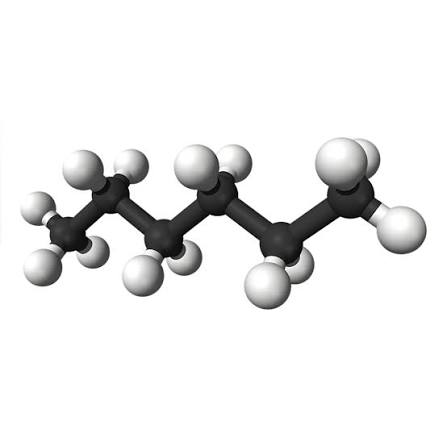
Q1: Why is n-hexane a high-risk substance for occupational health despite its low toxicity?
Unlike highly toxic chemicals such as formaldehyde and benzene, n-hexane causes no obvious poisoning symptoms after occasional and minor exposure, which explains why its hazards are often underestimated. Chemically, n-hexane is a low-toxic, colorless, transparent liquid with a faint odor and high volatility at room temperature. It enters the human body mainly through respiratory inhalation and skin contact.
Its most dangerous feature is cumulative toxicity. The human body metabolizes n-hexane slowly; long-term low-concentration exposure leads to continuous toxin accumulation and progressive damage to the peripheral nerves. In addition, n-hexane is extremely flammable. Its vapor can form explosive mixtures with air and may cause combustion or explosion when exposed to open flames or high temperatures. Due to both toxic and flammable hazards, it is strictly controlled in occupational health management.
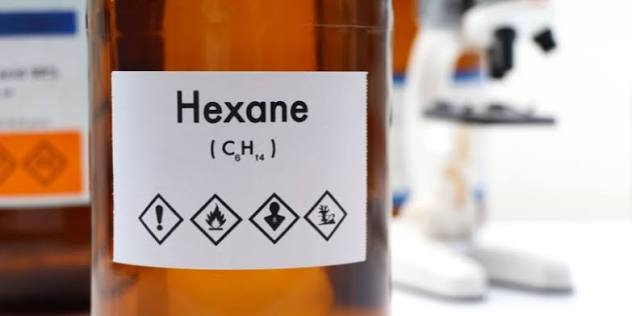
Q2: Where is n-hexane commonly found? Do ordinary people need to be alert?
N-hexane is widely used in industrial and food industries, with frontline workers facing the highest exposure risks. In industrial scenarios, it is commonly used in electronic assembly, hardware degreasing, leather processing, shoemaking and printing for oil removal, glue blending and ink dilution.
In the food industry, food-grade n-hexane serves as an extraction agent for vegetable oils such as soybean oil and rapeseed oil. Residues are minimized through refining processes and fully comply with national safety standards, making daily consumption safe for the public. Ordinary people have very limited exposure in daily life and only need to avoid inferior glue products and unqualified detergents without excessive worry.
Q3: What are the typical symptoms of n-hexane poisoning and how to distinguish them from ordinary fatigue?
N-hexane poisoning is divided into acute exposure discomfort and chronic cumulative poisoning, with the latter being more prevalent and harmful. Short-term inhalation of high-concentration n-hexane vapor may cause dizziness, nausea, fatigue, drowsiness and chest tightness. These symptoms resemble heat exhaustion or tiredness and are easily ignored, yet they usually relieve after leaving the contaminated environment.
Chronic poisoning caused by long-term unprotected exposure is highly deceptive. Early symptoms include numb fingertips, reduced tactile sensitivity and weak legs, which are often mistaken for ordinary fatigue. As toxins accumulate, patients may experience progressive muscle soreness, general weakness and spreading numbness. Severe cases develop peripheral neuritis, resulting in muscle atrophy and impaired motor function. Nerve damage is difficult to repair and requires a long recovery period. Long-term direct skin contact also damages the skin barrier, causing dryness, cracking and contact dermatitis.
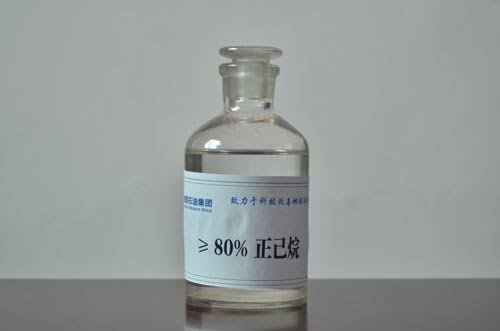
Q4: How can frontline workers achieve scientific protection? What are the core principles?
N-hexane hazards are entirely preventable through standardized protection, which focuses on ventilation, personal protection and health management. First, workplaces must maintain comprehensive ventilation with effective exhaust equipment to dilute volatile n-hexane vapor and prevent excessive concentration buildup.
Second, workers must wear gas masks, solvent-resistant rubber gloves and protective goggles during operation. Direct skin contact and close inhalation of vapor are strictly prohibited. Meanwhile, strict fire safety rules must be enforced; open flames and high-temperature heating are forbidden in work areas to eliminate flammable and explosive risks. Third, regular occupational health examinations are essential for long-term workers to detect early nerve damage and enable timely intervention and treatment.
Q5: What are the key taboos for n-hexane storage and emergency disposal?
N-hexane storage must comply with hazardous chemical regulations. It should be hermetically sealed and stored in a cool, ventilated warehouse away from heat sources and open flames, avoiding high-temperature exposure. It must be stored separately and never mixed with oxidants, acids or alkalis to prevent dangerous chemical reactions. Plastic and rubber containers are prohibited, as n-hexane may corrode them and cause leakage.
Standard emergency treatment is required in case of accidental exposure. Skin contact areas should be rinsed thoroughly with soap and running water. Eye exposure requires continuous water flushing and subsequent medical treatment. People suffering from inhalation discomfort should be immediately moved to fresh air and receive prompt medical care if symptoms are severe. Ingestion victims should never be induced to vomit to prevent aspiration pneumonia and must seek urgent medical attention. In summary, n-hexane risks mainly arise from non-standard operation. Mastering safety knowledge and strictly following protection regulations can effectively avoid hidden dangers and ensure workplace safety.
Post time: Jul-03-2026