




Dichloromethane is a widely used organic solvent in industrial manufacturing, processing, and daily cleaning industries. Featuring strong solubility, fast volatility, and relatively mild toxicity, it is extensively applied in cleaning, extraction, coating processing, and other scenarios. However, most ordinary users and frontline workers have limited understanding of it, often confused about its safety risks, usage prohibitions, and protection guidelines. This article answers frequently asked questions about dichloromethane in a Q&A format, helping the public understand and use this chemical raw material scientifically and compliantly.
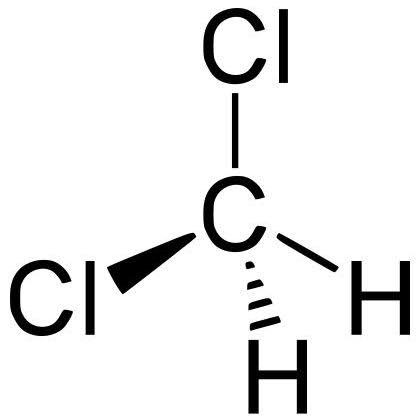
1. What is dichloromethane, and what are its basic properties?
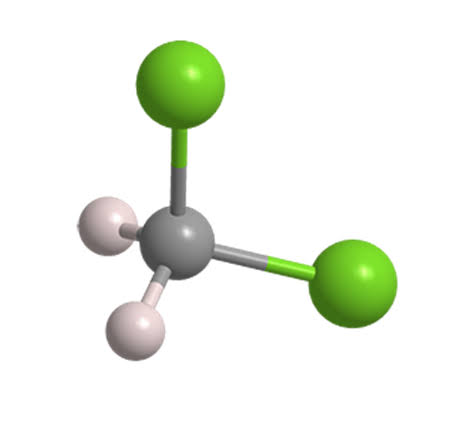
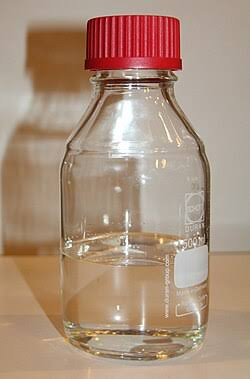
Dichloromethane (DCM), with the chemical formula CH₂Cl₂, is a colorless, transparent, and highly volatile organic liquid with a faint sweet odor. As a halogenated hydrocarbon compound, it exhibits excellent solubility and can effectively dissolve grease, resin, and rubber, as well as extract various organic substances. Compared with trichloroethylene and benzene-based solvents, dichloromethane is non-flammable with extremely low explosion risks, making it a primary substitute for flammable industrial solvents. Its strong volatility enables rapid vaporization at room temperature, which means inhalation exposure is its major safety hazard.
2. What are the main applications of dichloromethane in daily life and industry?
Dichloromethane covers a wide range of industrial and civilian scenarios. Industrially, it serves as a degreasing agent and precision cleaner for hardware, electronic components, and molds. It is also adopted as an extraction solvent in pharmaceutical and food processing to isolate active ingredients from raw materials. In daily life, most paint removers, adhesive cleaners, and leather detergents contain dichloromethane as a core ingredient. Additionally, it is used in the production of refrigerants and foaming agents, acting as an indispensable basic solvent in light industry.
3. Is dichloromethane toxic, and what health hazards does it cause?
A common misconception is that dichloromethane is completely safe due to its low toxicity. In fact, although it is classified as a low-toxicity chemical, long-term exposure and high-concentration inhalation can cause severe physical damage. Short-term exposure to high concentrations irritates the mucous membranes of the eyes, nose, and throat, leading to dizziness, headache, nausea, chest tightness, and fatigue. In severe cases, it depresses the central nervous system, resulting in drowsiness and confusion.
Long-term low-level exposure causes more hidden and persistent harm. It continuously impairs liver and kidney functions and disrupts human metabolism. Chronic respiratory irritation may further induce pharyngitis and bronchitis. Notably, inhaled dichloromethane is metabolized into trace toxic substances in the human body. Accumulated toxins can damage the hematopoietic and nervous systems, causing memory decline and numbness in limbs. Currently, dichloromethane is listed as a suspected human carcinogen, requiring strict control of exposure duration and concentration.
4. What daily operations pose the highest risks?
Most safety accidents stem from non-standard operations. First, using DCM-containing cleaners or paint removers in enclosed, unventilated spaces causes vapor accumulation and easily leads to poisoning. Second, direct bare-hand contact damages the skin’s protective layer, causing dryness, redness, and allergic reactions, while toxins can penetrate the skin and enter the bloodstream. Furthermore, mixing dichloromethane with strong acids or strong alkalis triggers chemical reactions and generates toxic corrosive gases, resulting in dual safety hazards.
5. What are the emergency treatments after dichloromethane exposure?
In case of inhalation of high-concentration vapor, immediately move to a well-ventilated area, loosen clothing, and keep breathing unobstructed. Seek medical treatment promptly if dizziness or breathing difficulties occur. For skin contact, rinse the affected area thoroughly with running water and replace contaminated clothing to avoid continuous corrosion. If the liquid splashes into the eyes, flush continuously with clean water for more than 15 minutes without rubbing the eyes, and receive professional medical examination in a timely manner.
6. How to conduct daily protection for long-term exposed personnel?
Effective protection relies on sufficient ventilation, isolation measures, and standardized operations. Industrial workplaces must be equipped with exhaust ventilation systems to reduce airborne solvent concentrations. Workers shall wear gas masks, solvent-resistant gloves, and protective goggles to avoid direct skin and respiratory exposure. For ordinary users, always keep windows open during use and avoid prolonged operation in enclosed indoor environments. Long-term exposed employees should participate in regular occupational health examinations to prevent potential damage to the liver, kidneys, and nervous system.
7. Does dichloromethane cause environmental pollution? How to dispose of waste liquid compliantly?
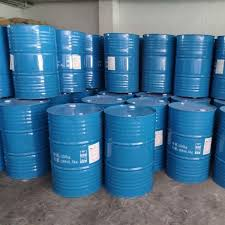
Volatilized dichloromethane becomes volatile organic compounds (VOCs) and pollutes the atmosphere. Improper discharge of waste liquid penetrates into soil and groundwater. Due to poor natural degradability, it causes long-term water and soil contamination. Industrial waste dichloromethane must be collected and sealed uniformly, and disposed of by qualified professional institutions. Random discharge and dumping are strictly prohibited to prevent ecological damage.
In conclusion, dichloromethane is a highly valuable industrial solvent with no flammability or explosion risks, yet it poses definite poisoning and health hazards. For both industrial workers and ordinary users, recognizing its properties, avoiding dangerous operations, and implementing scientific protection measures can maximize its application value while effectively protecting personal health and ecological safety.
Post time: Jun-25-2026