




Acetic Acid – a chemical term that sounds slightly sour – is in fact the indispensable “lifeblood” of modern industry. It is not only the source of flavoring in kitchen vinegar but also the cornerstone supporting the textile, plastics, pharmaceutical, and even new energy battery industries.
In this article, we will delve into the past and present of acetic acid, analyze the latest market dynamics in 2026 – specifically how acetic acid prices surged by 80% in just two months – and answer your questions using a Q&A format.
Part 1: First Encounter with Acetic Acid – More Than Just “Sour”
Acetic Acid, with the chemical formula CH₃COOH, is a fundamental compound. If you encounter it in a lab, be cautious: pure acetic acid solidifies into ice-like crystals below 16.6°C, earning it the name “Glacial Acetic Acid.”
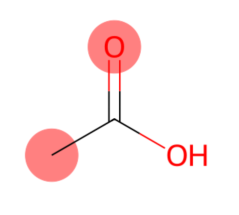
In daily life, we encounter acetic acid at a concentration of 3-5% – that is, table vinegar. But in the industrial realm, acetic acid is a versatile player with key roles:
Solvent for PTA (Purified Terephthalic Acid): This is the largest consumer of acetic acid, accounting for nearly a quarter of its total consumption, used in producing clothing fibers and beverage bottles.
Raw Material for VAM (Vinyl Acetate Monomer): Used to produce photovoltaic adhesive films, paints, and adhesives.
Food and Pharmaceuticals: As an acidulant or a key raw material for synthesizing Aspirin.
Q: Is Glacial Acetic Acid really that “cold”?
A: Actually, it’s not about low temperature, but its high melting point (16.6°C). In unheated southern regions during winter, a whole bottle of high-purity acetic acid can solidify into a lump resembling a giant ice cube, hence the name “Glacial Acetic Acid.”
Part 2: News Flash – 2026′s “Sudden Surge” of Acetic Acid
If you want to know the latest in the acetic acid industry, the keyword is: “Price Hike.”
Since March 2026, the domestic acetic acid market has embarked on a surprisingly strong upward trend. According to a research report from Guosen Securities, as of April 13, 2026, the mainstream price of acetic acid in the Jiangsu market had reached 4,500 RMB/ton. What does this mean? As early as March, acetic acid prices were hovering around 2,500 RMB/ton.
In just one and a half months, the increase reached a staggering 80%!
4800 │
4700 │ ● Peak: 4750 (Apr 8)
4500 │ ●
4000 │ ●
3500 │ ●
3200 │● ● ●●● Current: 3220 (May 13)
2800 │_______________________________________
Mar 1 Mar 31 Apr 30 May 13
Why the sharp increase?
Behind this lies a “perfect storm” in the global supply chain:
Cost Push: The upstream raw material for acetic acid is methanol. In 2026, affected by geopolitical conflicts in the Middle East, methanol prices, the core raw material for acetic acid, soared by 50%, directly driving up acetic acid production costs.
Overseas Production Cuts: Due to high natural gas prices in Europe and the US, overseas acetic acid plants (e.g., Celanese) have been reducing operating rates, creating a significant gap in global acetic acid supply.
Export Pull: Facing shortages abroad, buyers turned to China. In Q1 2026, China’s acetic acid export orders exploded, further tightening acetic acid supply in the domestic market.
Q: Is it still too late to invest in building an acetic acid plant now?
A: That requires looking at two sides. In the short term, acetic acid is indeed highly profitable. However, in the long run, industry giants are already positioning. In January 2026, Juzhengyuan’s 1.5 million tons/year acetic acid project in Jieyang began production – one of the world’s largest single-line acetic acid units. As these new acetic acid capacities come online over the next year or two, the market may re-enter a balanced or even oversupplied state.
Part 3: Industry Trends – Where is the Next Big Opportunity for Acetic Acid?
Where is the future of the acetic acid industry headed? We analyze from three perspectives: technology, demand, and region.
1. Breakthrough in Domestic Technology
Previously, producing acetic acid relied heavily on importing foreign technology patents. Now, China has not only mastered core technologies but is continuously optimizing them. The domestic low-pressure carbonylation technology used in the Juzhengyuan project boasts high conversion rates and significantly reduced energy consumption. This means future acetic acid production will be greener and lower cost.
2. Diverse Downstream Demand
Acetic acid is no longer just a “commodity chemical”; it is embracing high technology:
Photovoltaic Industry: Demand for PV films is driving acetic acid (VAM) consumption.
New Energy Batteries: Acetic acid is a key component in some high-performance battery solvents and electrolytes.
3. Regional Rise of South China
Previously, acetic acid production capacity was concentrated in coal chemical hubs like East China and Shandong. Due to a lack of upstream raw materials, South China was a pure consumption area for acetic acid. With the launch of the Jieyang project, the supply pattern of acetic acid in South China has been disrupted. Downstream enterprises can significantly reduce logistics costs and achieve a closed-loop industrial chain.
Part 4: Deep Dive Q&A – Essential Facts You Need to Know About Acetic Acid
To help you understand acetic acid more comprehensively, we’ve compiled these frequently asked questions:
Q1: Is acetic acid a hazardous chemical?
A: Yes. Glacial acetic acid is corrosive and irritating. Its vapor strongly irritates the eyes and nose, and it is flammable (flash point 39°C). Industrially, transporting acetic acid requires stainless steel tank trucks. For daily contact, wear acid-alkali resistant gloves and safety goggles.
Q2: Beyond industrial use, what are some handy household uses for acetic acid?
A: There are many! Because acetic acid is mildly acidic and has antiseptic properties:
Descaling: A diluted acetic acid solution easily removes limescale from kettles.
Brightening Laundry: Adding a few drops of diluted acetic acid to the rinse cycle for dark-colored clothes neutralizes residual alkaline detergent, making colors more vibrant. This principle is used in many fabric softeners.
Disinfecting: Acetic acid is a natural antiseptic; pickling vegetables utilizes this property.
Q3: Will acetic acid prices continue to rise in the second half of 2026?
A: The industry consensus is that prices will remain high but with limited upside. In the short term, due to planned maintenance at many acetic acid plants globally in April and May, supply will remain tight. However, in the long run, as new acetic acid capacity gradually comes on stream, prices will likely retreat from their highs to a reasonable range (approximately 3,000-3,500 RMB/ton).
Conclusion
From a simple bowl of vinegar in the kitchen to the chemical material supporting major national industries, acetic acid, though small, profoundly affects the national economy and people’s livelihoods. The 2026 storm in acetic acid prices is both an aftershock of geopolitics and an opportunity for China’s manufacturing sector to transition towards high-end, green development. For enterprises, only by understanding the cyclical fluctuations of acetic acid can they find the “sweet spot” in the market’s inherent “sourness and sweetness.”
Post time: May-14-2026