




Methyl acetate is a widely used eco-friendly organic solvent in industries including chemical manufacturing, printing, leather processing and electronic production. Featuring a fresh odor, strong dissolving power, low pollution and cost-effectiveness, it serves as a superior alternative to highly toxic traditional solvents. However, its reputation for being “green and low-toxic” often leads to inadequate safety awareness, while its hidden risks of flammability, high volatility and toxic hydrolysis are easily overlooked. To help the public and practitioners comprehensively and scientifically understand methyl acetate and avoid potential hazards during operation and storage, this article answers frequently asked questions and provides practical safety knowledge in a Q&A format.
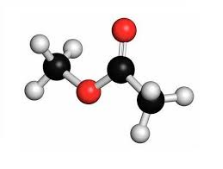
Q1: What is methyl acetate? What are its core physical and chemical properties?
Methyl acetate, also known as acetic acid methyl ester, is a common short-chain ester compound. At room temperature, it is a colorless and transparent liquid with a distinct fresh fruity aroma. With a boiling point of only 56.7°C, it is highly volatile under normal conditions. It is miscible with most organic solvents such as ethanol and ether, slightly soluble in water, and has excellent dissolving capacity for resins, rubber, grease and other substances.
Compared with traditional benzene-based solvents, methyl acetate is a low-VOC, low-toxic and environmentally friendly material with lower pollutant emissions, making it a mainstream green substitute in the industry. Nevertheless, it has two critical safety risks. First, it is extremely flammable, and its volatile vapor can form explosive mixtures with air. Second, it has poor chemical stability. When exposed to water or high temperature for a long time, it undergoes hydrolysis to produce acetic acid and toxic methanol, causing potential health hazards that distinguish it from ordinary eco-friendly solvents.
Q2: What are the main applications and daily exposure scenarios of methyl acetate?
Benefiting from its environmental performance and efficient dissolving ability, methyl acetate is widely applied in industrial production, light manufacturing and fine chemical industries. Industrially, it is commonly used as a degreasing and cleaning agent for electronic components and precision hardware, as well as a diluent in leather degreasing, artificial leather and rubber processing. In the printing and packaging industry, it acts as a low-odor eco-friendly diluent for inks and adhesives, and is applicable to food-contact packaging materials.
In daily life, methyl acetate is added to products such as nail polish, spray adhesives and aerosol insecticides as a fast-drying solvent. Trace exposure to qualified daily products poses no threat to ordinary people. Frontline workers in printing, chemical and leather workshops are the main exposed groups, who face continuous contact with volatile vapor and need standardized protection.
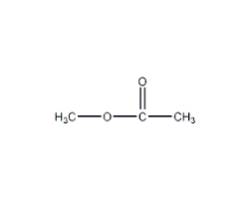
Q3: What are the health hazards and poisoning symptoms of methyl acetate?
Methyl acetate has low inherent toxicity and can be metabolized rapidly by the human body after occasional minor exposure. However, long-term or high-concentration exposure may cause significant damage, mainly through respiratory inhalation and skin contact. Short-term inhalation of high-concentration vapor irritates the mucous membranes of the eyes, nose and throat, resulting in tearing, dry eyes, sore throat and cough. It also suppresses the central nervous system, causing dizziness, drowsiness, fatigue and chest tightness.
Long-term unprotected exposure leads to more concealed hazards. Continuous inhalation causes chronic mucosal irritation and persistent respiratory discomfort. Moreover, residual methyl acetate in the body gradually hydrolyzes into methanol, and long-term accumulation may damage the optic nerve, resulting in blurred vision and reduced visual field. Frequent direct skin contact removes skin oils, damages the skin barrier, and causes dryness, roughness, peeling and contact dermatitis. Extreme high-concentration exposure may even induce narcosis and respiratory depression, posing serious safety risks.
Q4: How to achieve scientific protection during operation? What are the first-aid measures for accidental exposure?
The risks of methyl acetate are fully preventable through standardized protection, focusing on fire prevention, inhalation prevention and skin contact prevention. Workshops must maintain continuous ventilation with effective exhaust equipment to prevent excessive vapor accumulation. Operators shall wear anti-toxic masks, solvent-resistant gloves and protective goggles, and direct skin contact and close inhalation of vapor are strictly prohibited. Open flames and high-temperature heat sources are forbidden in working areas to eliminate flammable and explosive risks. Long-term practitioners need regular occupational health examinations to detect potential nerve and eye damage at an early stage.
Accidental exposure requires timely and standardized disposal. Rinse contaminated skin thoroughly with soap and running water. Flush eyes continuously with clean water and seek medical treatment if discomfort persists. Move personnel with inhalation symptoms to fresh air immediately and ensure unobstructed breathing. In case of accidental ingestion, do not induce vomiting to avoid secondary injury such as aspiration pneumonia, and seek urgent medical attention immediately.
Q5: What are the taboos for the storage and transportation of methyl acetate?
As a flammable and highly volatile hazardous chemical, methyl acetate must be stored in strict accordance with relevant regulations. It shall be hermetically sealed and placed in a cool, dry and well-ventilated professional warehouse, kept away from heat sources, open flames and direct sunlight. Mix storage with oxidants, acids or alkalis is forbidden to prevent dangerous chemical reactions. Humid environments must also be avoided to prevent hydrolysis and the subsequent generation of toxic substances.
Metal or glass containers are recommended for storage, while plastic containers are prohibited due to potential corrosion and leakage. During transportation, containers must be firmly fixed to prevent leakage caused by bumping, with full protection against fire, sunlight exposure and rainwater infiltration. In conclusion, methyl acetate is a high-quality eco-friendly industrial solvent with prominent advantages as well as potential risks. Strict compliance with operating, storage and protection specifications can effectively eliminate hidden dangers and ensure safe and efficient application.
Post time: Jul-09-2026