




In the modern fine chemical, coating and ink industrial chains, n-butyl acetate has long been a widely applied and stable core organic solvent. Thanks to its strong dissolving power, moderate volatilization rate and excellent compatibility, n-butyl acetate has maintained an important position in the solvent market for a long time. With stricter environmental policies and the rise of high-end manufacturing, n-butyl acetate is rapidly transforming from a traditional bulk solvent to a green, high-end and specialized product, becoming one of the most growing segments in the chemical solvent sector.
1. Brief Introduction to n-Butyl Acetate
n-Butyl acetate (also known as n-butyl ethanoate, CAS: 123-86-4) is a colorless, transparent neutral organic solvent with a fruity odor. It has a molecular formula of C₆H₁₂O₂, a boiling point of approximately 126°C, and stable chemical properties.
Core advantages of n-butyl acetate:
● Outstanding solubility for nitrocellulose, acrylic resins, polyurethane, natural rubber and other materials
● Moderate volatilization rate and good leveling performance, widely suitable for coating and ink applications
● Low toxicity, low odor and biodegradability, in line with the development of environmentally friendly solvents
● Miscible with most alcohols, ketones, ethers, aromatic hydrocarbons and other solvents, with strong formula compatibility
Main application scenarios of n-butyl acetate:
Coating industry: Used as a main solvent and diluent for wood coatings, metal coatings and automotive refinish paints
Ink industry: Key solvent for offset, gravure and screen printing inks, improving printing clarity
Adhesives: Applied in PU adhesives, pressure-sensitive adhesives, laminating adhesives, etc., enhancing bonding strength and drying speed
Pharmaceutical and fragrance industries: Drug extraction, fragrance blending, as well as industrial cleaning and extraction agents
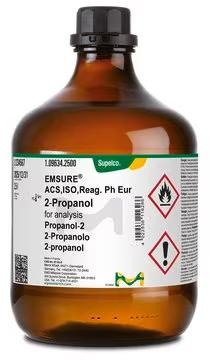
Analytical Grade n-Butyl Acetate Reagent
2. Latest Industry News of n-Butyl Acetate
Since the start of 2026, landmark changes have taken place in both the market and industrial sectors of n-butyl acetate, pushing the industry into a new cycle.
1.Localization breakthrough of high-end n-butyl acetate
Several domestic enterprises have successfully mass-produced electronic-grade n-butyl acetate and pharmaceutical-grade n-butyl acetate with purity above 99.95%. The indicators of metal ions and moisture have reached international advanced levels, breaking the long-term dependence on imports. High-purity n-butyl acetate has entered the supply chains of new energy, semiconductor cleaning and high-end packaging inks.
2.Green processes accelerate the replacement of traditional processes
New processes for producing n-butyl acetate using solid acid catalysis and continuous reactive distillation are rapidly gaining popularity. Compared with the traditional sulfuric acid method, waste acid emissions are reduced by more than 90%, and energy consumption is lowered by 25%–30%. Leading n-butyl acetate producers have completed technical renovations to achieve green and low-carbon production.
3.Supply, demand and price dynamics of n-butyl acetate
In February 2026, affected by the post-Spring Festival resumption of work, the n-butyl acetate market remained generally stable, with mainstream transaction prices in East China ranging from 5,500 to 5,800 RMB/ton. With the gradual recovery of the coating, packaging and adhesive industries, demand and prices of n-butyl acetate are expected to enter a rebound channel starting in March.
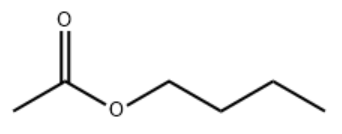
Molecular Structure of n-Butyl Acetate
3. Industry Trends of n-Butyl Acetate
In the next 3–5 years, the n-butyl acetate industry will develop around three main lines: greening, high-end development and concentration.
3.1 Environmental policies drive n-butyl acetate to replace high-VOC solvents
With stricter domestic VOC governance regulations and EU REACH legislation, highly toxic and odorous solvents are gradually withdrawing from the market. Due to its low toxicity, degradability and eco-friendly emissions, n-butyl acetate has become a preferred alternative, with continuously rising penetration in food packaging, children’s products, automotive coatings and other fields.
3.2 High-end applications become the main growth engine for n-butyl acetate
The growth of conventional solvent-grade n-butyl acetate is slowing down, while demand for electronic-grade n-butyl acetate, pharmaceutical-grade n-butyl acetate and photovoltaic-grade n-butyl acetate is growing at over 15% per year. Special-grade n-butyl acetate with high purity, low impurities and low moisture content will become the core of corporate profitability and competition.
3.3 Rising industrial concentration, leading enterprises dominating the n-butyl acetate market
Small, outdated and highly polluting n-butyl acetate units are continuously exiting the market. Large integrated enterprises are expanding their market share thanks to raw material integration, cost advantages and environmental compliance. The future n-butyl acetate market will feature a pattern of “concentration at the top and leadership in high-end segments”.
3.4 Bio-based n-butyl acetate opens a new track
Bio-based n-butyl acetate, produced from bio-fermented n-butanol, has entered pilot and industrialization stages, with carbon emissions more than 40% lower than the petrochemical route. Green certification and low-carbon exports will further enhance the competitiveness of bio-based n-butyl acetate in the future.
Conclusion
n-butyl acetate may seem like an ordinary industrial solvent, yet it is an indispensable basic material for coatings, inks, adhesives and high-end manufacturing. Driven by both environmental upgrading and industrial transformation, n-butyl acetate is shifting from “large-volume and low-cost” to “high-quality and high-value”. Enterprises that gain advantages in green processes, high-end products and supply chain stability will take the lead in the next round of growth of n-butyl acetate.
Post time: Mar-02-2026